A Bold and Flavorful Chapter of Pakistani Cuisine
When exploring the rich landscape of Pakistani Cuisine, one region stands out for its depth of flavor, cultural symbolism, and culinary heritage: Sindhi Cuisine. Rooted in the southern province of Sindh, this food tradition reflects centuries of trade, migration, and indigenous creativity.
From slow-cooked curries to aromatic rice dishes and rustic breads, Sindhi food is known for bold spices, tangy notes, and generous use of chilies. It is deeply tied to hospitality, festivals, and family traditions — making it one of the most emotionally resonant regional cuisines in Pakistan.
The Cultural Roots of Sindhi Cuisine
Sindh is home to one of the world’s oldest civilizations — the Indus Valley Civilization. This ancient heritage influenced agricultural patterns, grain cultivation, and early food preservation techniques that still echo in today’s Sindhi kitchens.
Over centuries, Sindh welcomed Persian, Central Asian, and South Asian influences. Because of its proximity to the Arabian Sea, seafood became important, while fertile lands allowed rice, wheat, and vegetables to thrive.
Food in Sindhi households is not just nourishment — it is identity. Dishes are often prepared for:
- Weddings
- Religious gatherings
- Cultural festivals
- Family celebrations
This emotional connection makes Sindhi Cuisine a powerful pillar within the broader umbrella of Pakistani Cuisine.
Signature Characteristics of Sindhi Cuisine
Understanding what sets Sindhi food apart helps appreciate its unique place in Pakistani regional cooking.
1. Bold Use of Spices
Sindhi cooking is not subtle — it is expressive. Red chili powder, turmeric, coriander, and garam masala are used generously. Unlike some northern cuisines that balance creaminess with spice, Sindhi dishes proudly highlight heat and tanginess.
2. Tangy and Sour Notes
One defining feature of Sindhi Cuisine is its love for sour flavors. Ingredients like:
- Dried mango powder (amchur)
- Tamarind
- Yogurt
- Tomatoes
create depth and brightness in curries.
3. Rice-Centric Meals
While wheat-based breads are common, rice plays a central role — especially in festive meals.
The most iconic rice dish is:


Sindhi Biryani – The Crown Jewel
No discussion of Sindhi Cuisine is complete without Sindhi Biryani.
What makes it different from other Pakistani biryanis?
- Addition of potatoes
- Tangy yogurt-based masala
- Generous green chilies
- Fresh coriander and mint
- Slightly spicy and sour taste
Unlike milder versions from other regions, Sindhi Biryani carries a bold personality. It perfectly represents the intensity and richness associated with Sindh.
Everyday Staples in Sindhi Homes
Beyond festive dishes, daily Sindhi meals are simple yet deeply flavorful.
Sai Bhaji – A Wholesome Comfort Dish

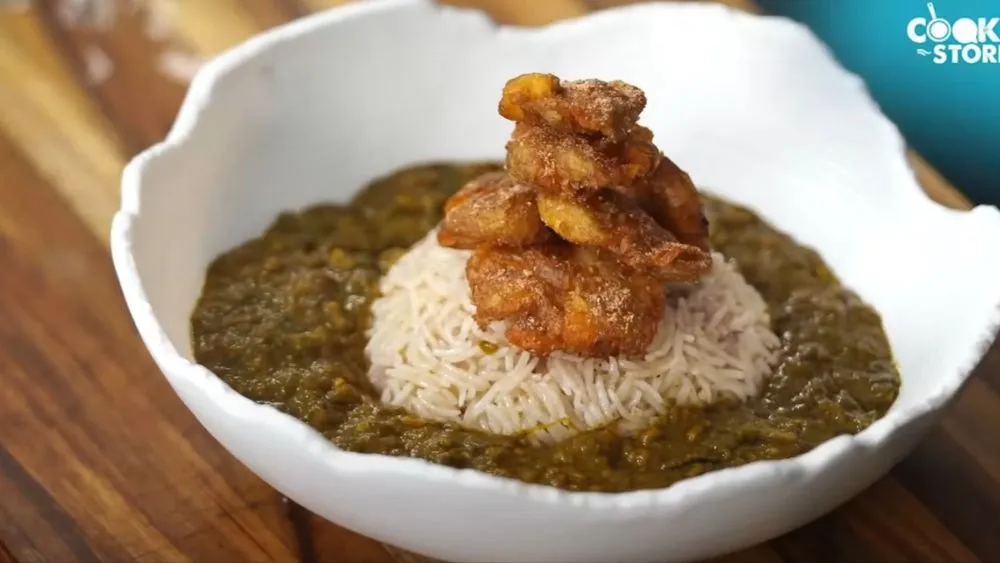


Sai Bhaji is a nutritious combination of:
- Spinach
- Lentils
- Seasonal vegetables
- Mild spices
It is typically served with rice or flatbread and represents the home-style comfort side of Sindhi Cuisine. Unlike the fiery biryani, Sai Bhaji is mild, earthy, and nourishing.
Sindhi Kadhi – Tangy Gram Flour Curry


Sindhi Kadhi is distinct from Punjabi kadhi because:
- It does NOT use yogurt
- It relies on gram flour (besan)
- It contains seasonal vegetables
- It has a pronounced sour flavor
Served with steamed rice, this dish is both hearty and vibrant.
Traditional Sindhi Breads
While rice is important, breads are equally significant.
Kokis – A Breakfast Favorite

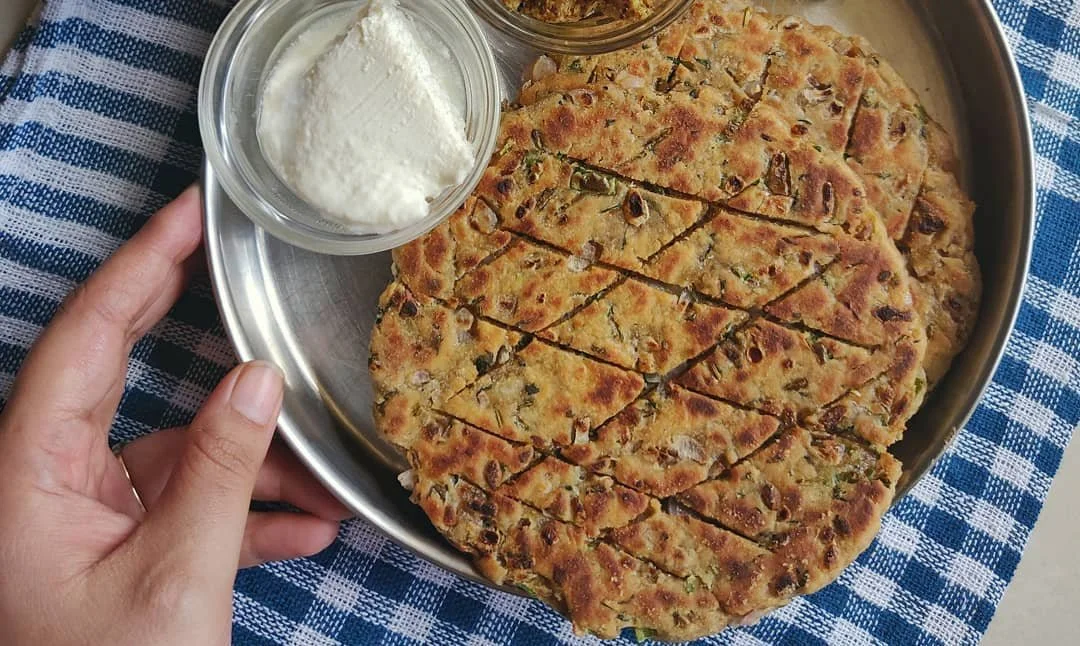
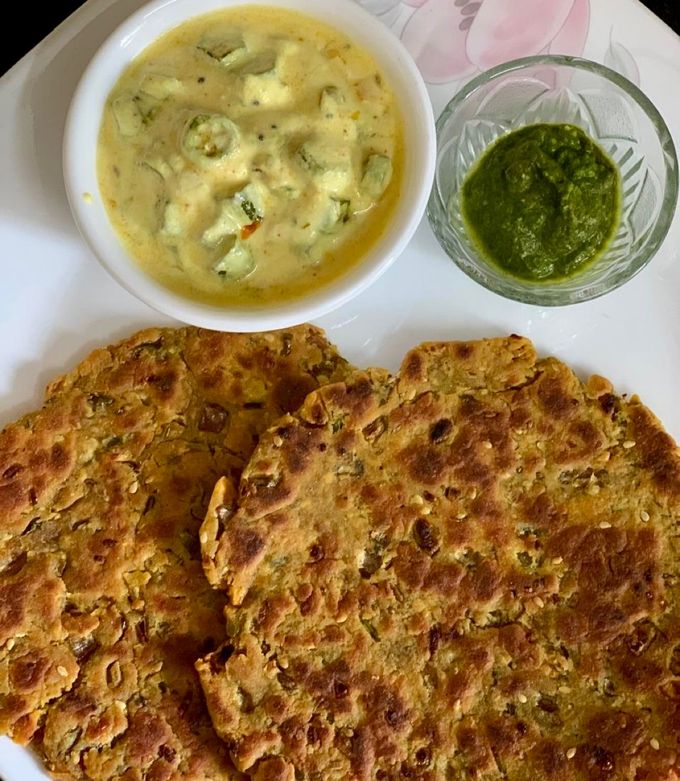
Kokis is a crispy flatbread made with:
- Whole wheat flour
- Onions
- Cumin seeds
- Black pepper
Often served with yogurt or pickle, it’s a breakfast staple in Sindhi households.
Meat Specialties in Sindhi Cuisine
Sindhi cooking embraces meat, especially mutton and beef.
Sindhi Mutton Curry
Rich, slow-cooked, and intensely spiced, this curry features:
- Tender mutton pieces
- Thick masala gravy
- Deep red color from chilies
The flavor profile is bold and layered, reflecting Sindhi Cuisine’s love for spice-forward dishes.
Palla Fish – A River Delicacy


Palla fish, also known as Hilsa, is especially popular near the Indus River. It is often fried or cooked in spicy gravy and is considered a delicacy during special occasions.
Cooking Techniques Unique to Sindh
Sindhi Cuisine emphasizes:
- Slow simmering for deeper flavor
- Layered spice tempering
- Use of clay pots (handi)
- Balanced oil-to-spice ratios
The cooking method allows spices to bloom fully, creating complex and satisfying results.
Sindhi Desserts and Sweets
No meal in Pakistani Cuisine is complete without something sweet.
Popular Sindhi sweets include:
- Kheer
- Ladoo
- Sweet rice
These desserts are commonly prepared during weddings and religious festivals.
The Role of Pickles and Condiments
Sindhi pickles are famously spicy and tangy. Mango pickle and mixed vegetable achar add heat and acidity to meals.
Papad (thin crispy wafers) are also commonly served alongside curries and rice, adding texture contrast.
Why Sindhi Cuisine Matters in Pakistani Cuisine
Sindhi Cuisine is not just another regional style — it is a culinary identity shaped by geography, history, and culture.
Its importance lies in:
- Preserving ancient food traditions
- Showcasing spice mastery
- Celebrating community meals
- Representing southern Pakistan’s heritage
Within the broader structure of Pakistani Cuisine, Sindhi food provides depth, intensity, and a powerful sense of authenticity.
Festival Foods and Celebratory Traditions in Sindhi Cuisine
In Part 1, we explored the foundations of Sindhi Cuisine — its bold spices, iconic rice dishes, and everyday comfort foods. In this second part, we move deeper into festive traditions, street food culture, seasonal specialties, and modern adaptations — all within the wider framework of Pakistani Cuisine.
Sindhi food becomes even more vibrant during celebrations. Weddings, religious gatherings, and cultural festivals transform kitchens into spaces of abundance and generosity.
Wedding Feasts in Sindh
A traditional Sindhi wedding is incomplete without a lavish meal. Food symbolizes honor, status, and hospitality. Large handis (metal cooking pots) are prepared early in the morning, and the aroma of spices fills the air.
Signature Wedding Dishes
- Sindhi Biryani (served in generous portions)
- Slow-cooked mutton curry
- Fried fish platters
- Sweet rice (zarda-style)
- Kheer
Unlike everyday meals, wedding dishes are richer in oil and spices. The intensity reflects celebration and abundance — a common theme across Pakistani Cuisine, but especially pronounced in Sindh.
Religious Festivals and Special Occasions
Sindhi Cuisine also shines during religious observances such as Eid.
Eid Specialties
During Eid-ul-Fitr and Eid-ul-Adha, families prepare:
- Mutton korma
- Fried liver (kaleji)
- Spiced pulao
- Sweet seviyan
In cities like Karachi and Hyderabad, community-style cooking is common. Extended families gather, share food, and exchange traditional dishes.
Food here acts as a bridge between generations — recipes are passed down verbally, often without written measurements.
Street Food Culture in Sindh
While home cooking defines authenticity, street food showcases the creativity and boldness of Sindhi Cuisine.

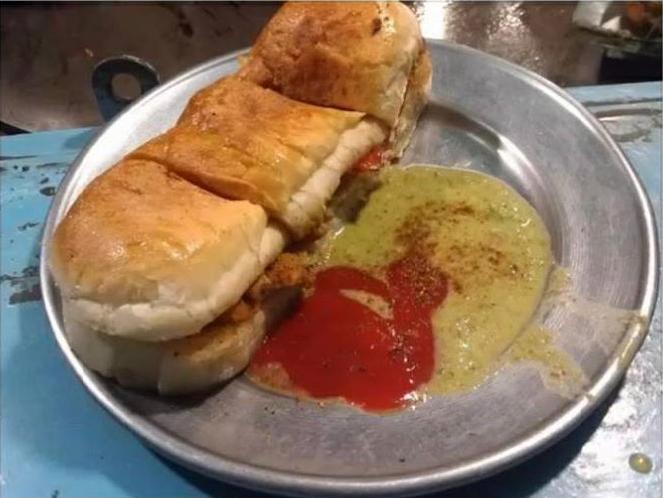
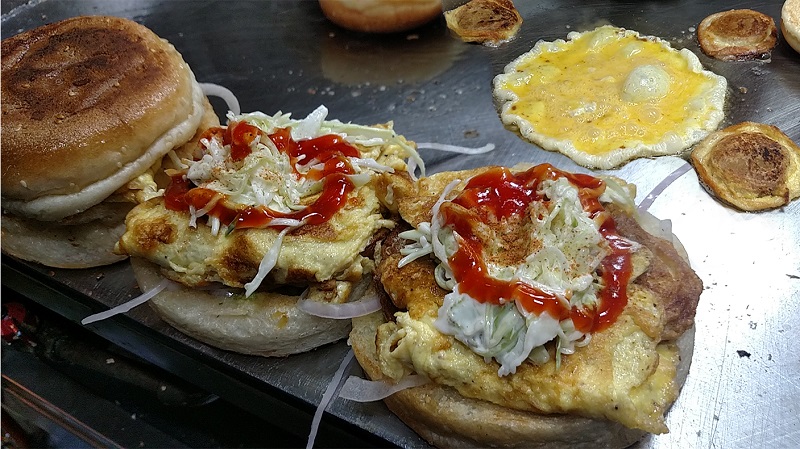
Popular Street Foods
1. Bun Kabab
A spicy lentil or meat patty inside a soft bun, topped with chutneys and onions. Though popular across Pakistan, Sindhi vendors often add extra green chili sauce for a stronger kick.
2. Chaat Variations
Tangy tamarind chutney, yogurt, and crunchy papri combine to create layered textures. Sindhi chaat leans heavily into sour flavors.
3. Samosas and Pakoras
Crispy, spicy, and usually paired with strong chutneys.
Street food reflects the fast-paced urban lifestyle while maintaining Sindhi Cuisine’s bold flavor profile.
Internal anchor: Compare this with northern flavors in Traditional Pakistani Dishes.
Seasonal Ingredients and Coastal Influence
Sindh’s geography — bordered by the Arabian Sea and enriched by the Indus River — heavily influences its culinary patterns.
Coastal Specialties

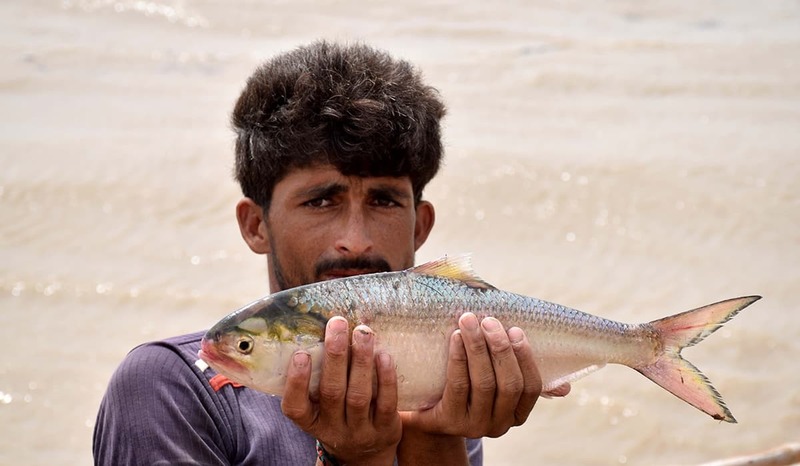

Seafood plays an important role in southern Sindh. The famous Palla fish (Hilsa) remains a prized delicacy when in season. Coastal towns prepare it:
- Deep-fried with spices
- Slow-cooked in tomato-based curry
- Grilled over open flame
Freshness is key — fish is often cooked the same day it is caught.
Sindhi Pickles and Chutneys – The Flavor Boosters
No Sindhi meal feels complete without achar (pickle).
Common varieties include:
- Mango pickle
- Green chili pickle
- Mixed vegetable pickle
These condiments intensify heat and tanginess — both core traits of Sindhi Cuisine.
Mint chutney and tamarind sauce are also widely used to balance heavier dishes.
Cooking Techniques Passed Through Generations
Sindhi Cuisine relies on experience more than written recipes.
Traditional Methods
- Slow simmering in heavy-bottom pots
- Layered rice cooking for biryani
- Spice tempering in hot oil (tarka)
- Sun-drying ingredients for preservation
The use of clay pots enhances flavor, allowing spices to develop depth over time.
This hands-on style keeps Sindhi cooking authentic within the broader structure of Pakistani Cuisine.
Modern Adaptations of Sindhi Cuisine
As urbanization expands, Sindhi food is evolving.
Restaurant-Style Innovations
In metropolitan cities, chefs are:
- Reducing oil content
- Offering boneless meat options
- Creating fusion biryani versions
- Presenting traditional dishes in modern plating styles
However, the core spice identity remains unchanged.
Health-Conscious Adjustments
Many families now:
- Use less oil
- Substitute brown rice
- Increase vegetable portions
- Bake instead of deep-fry
This allows Sindhi Cuisine to adapt to modern dietary preferences while preserving flavor.
Nutritional Perspective
Sindhi food is rich and satisfying, but it can also be balanced when prepared thoughtfully.
Nutritional Strengths
- Lentil-based dishes provide protein
- Spinach and vegetables add fiber
- Fish offers healthy fats
- Yogurt supports digestion
The key is portion control and mindful cooking techniques.
Sindhi Cuisine in the Diaspora
Sindhi communities living abroad continue to preserve their culinary heritage. In countries like the UK, UAE, and India, Sindhi families recreate traditional meals to maintain cultural identity.
Restaurants abroad often label dishes clearly as “Sindhi Style,” distinguishing them within the broader category of Pakistani Cuisine.
This global presence strengthens Sindhi food’s recognition beyond regional boundaries.
Home Cooking Tips for Authentic Flavor
If you want to recreate Sindhi Cuisine at home, focus on these principles:
- Do not shy away from spices.
- Balance heat with tanginess.
- Cook rice separately for fluffy texture.
- Let curries simmer longer for deeper flavor.
- Use fresh herbs generously.
Authenticity lies in patience and layering.
The Emotional Connection to Sindhi Food
Sindhi Cuisine is deeply nostalgic. Many families associate specific dishes with:
- Childhood memories
- Grandmother’s kitchen
- Festival gatherings
- Family reunions
Food here is storytelling — every dish carries memory and meaning.
The Importance of Sindhi Cuisine in Pakistani Cuisine
Within Pakistani Cuisine, Sindhi food contributes:
- Strong spice identity
- Tangy flavor profile
- Rice-focused festive dishes
- Unique vegetarian-lentil combinations
It represents southern Pakistan’s culinary confidence and diversity.
Rare and Lesser-Known Dishes in Sindhi Cuisine
While Sindhi Biryani often gets the spotlight, many traditional dishes remain underrepresented outside Sindh. These hidden gems reflect the depth and diversity of Sindhi culinary heritage.
Koki Variations – Beyond Breakfast

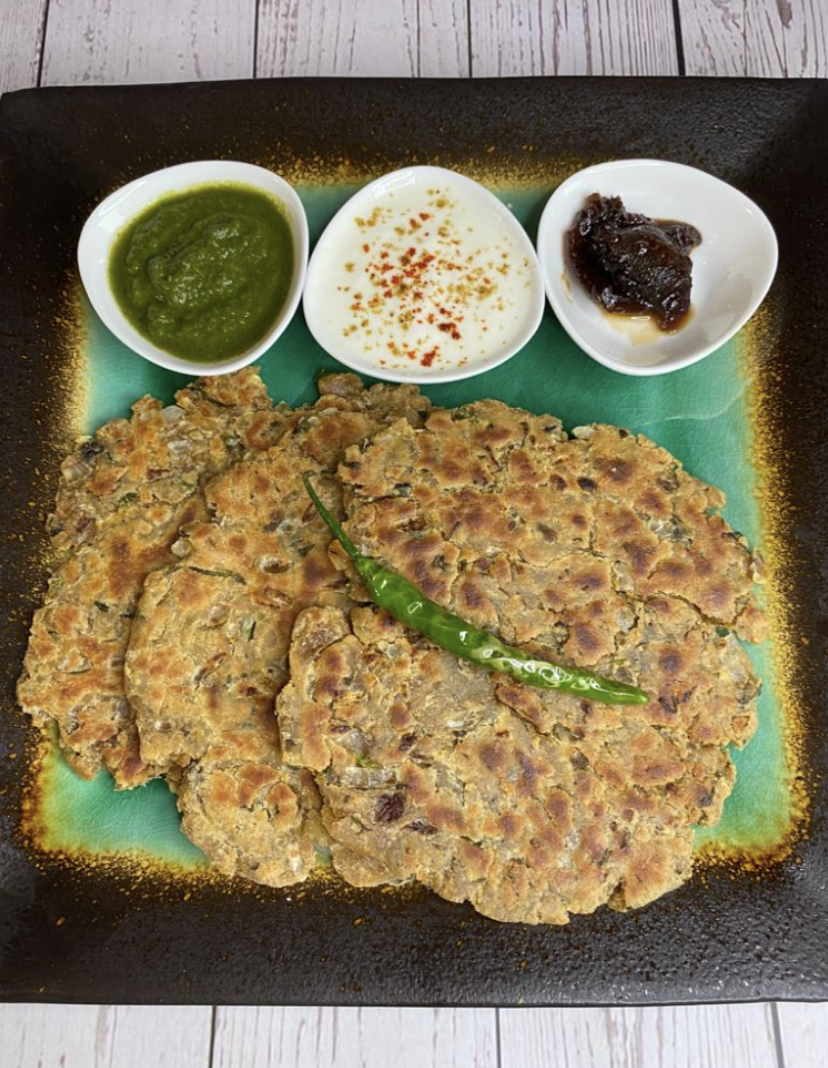
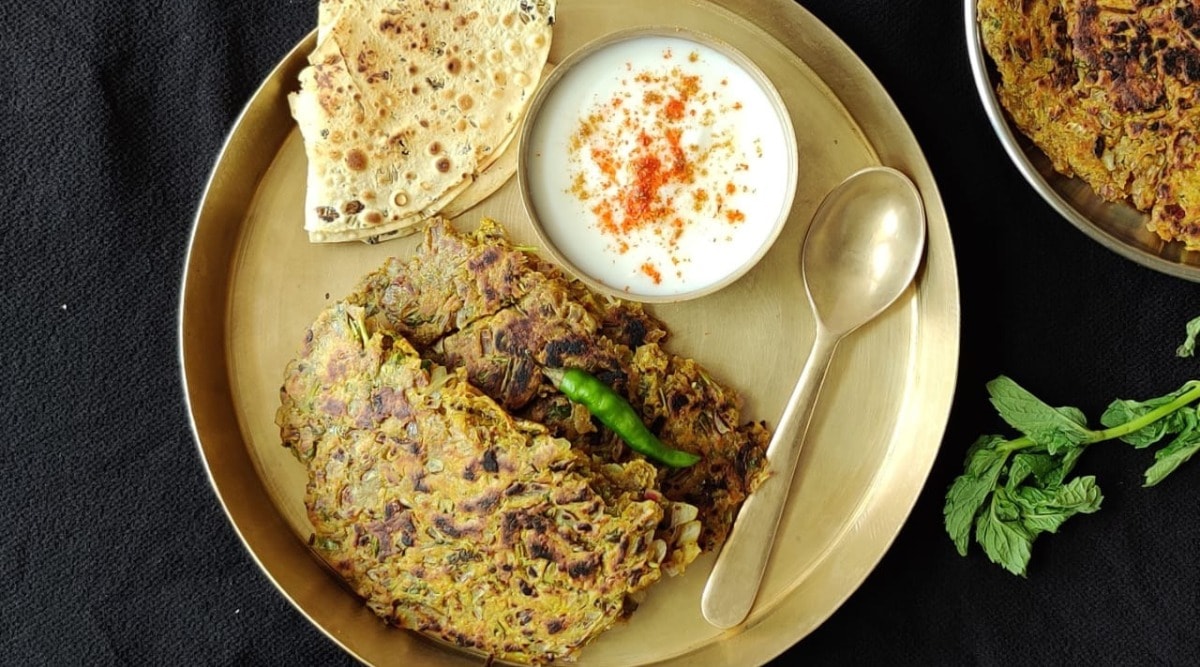
While koki is widely known as a breakfast flatbread, regional variations include:
- Extra crushed black pepper for heat
- Finely chopped fenugreek leaves for aroma
- Stuffed onion masala versions
In rural Sindh, koki is sometimes cooked thicker and crispier to last longer during travel or fieldwork.
Bhugal Gosht – Slow-Cooked Rustic Meat
Bhugal Gosht is a traditional slow-cooked mutton dish where meat is cooked in minimal water and allowed to absorb its own juices.
Key features:
- Deep reddish color
- Intense chili heat
- Thick masala coating
- No excessive gravy
This dish represents the bold personality of Sindhi Cuisine — powerful, concentrated, and unapologetically spicy.
Khatti Dal – The Tangy Comfort


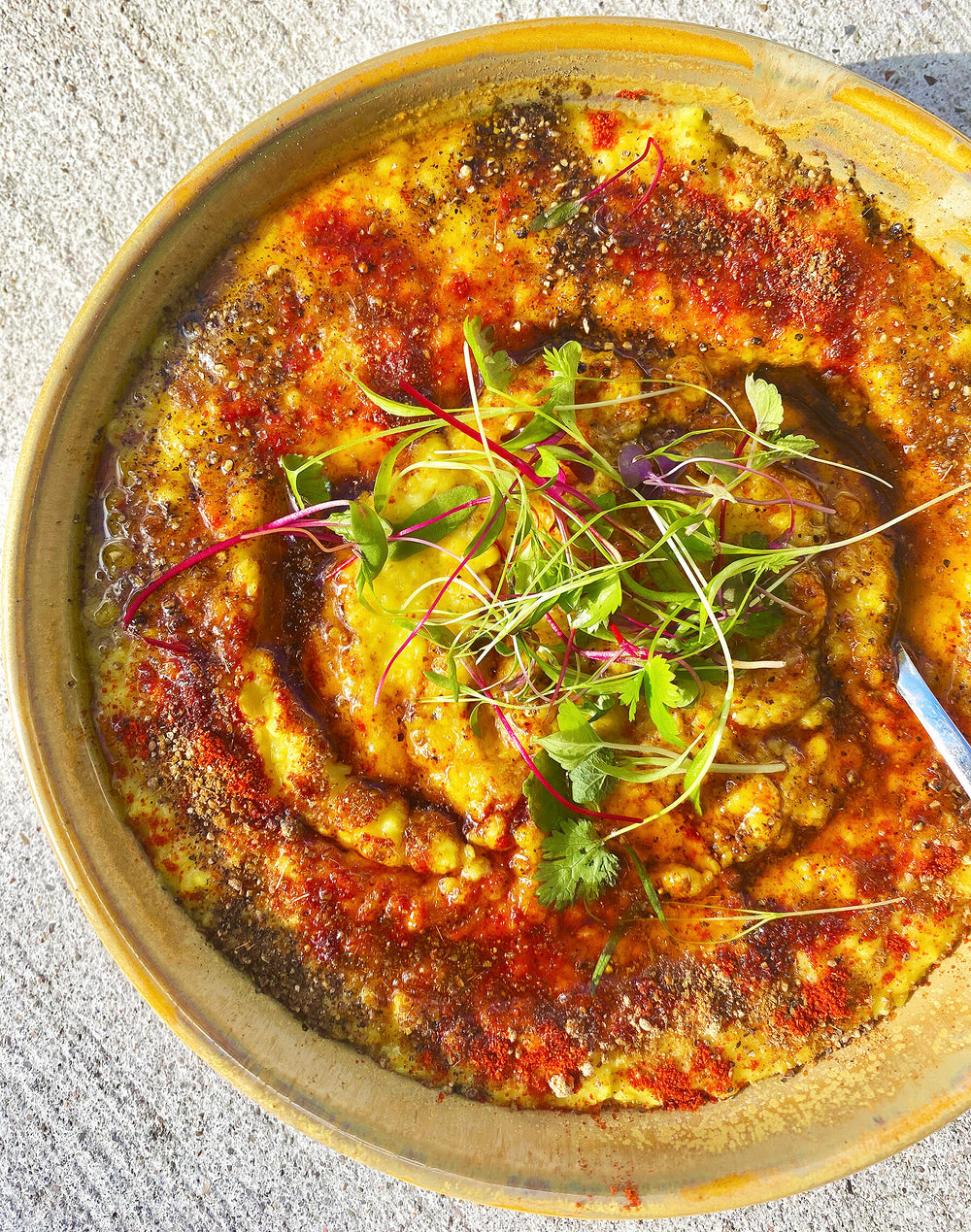
Khatti Dal (sour lentil curry) highlights Sindh’s love for tanginess.
Prepared with:
- Lentils
- Tamarind pulp
- Tomatoes
- Green chilies
It is lighter than meat curries but still flavorful and satisfying. This balance of spice and sourness is a defining signature of Sindhi Cuisine.
Traditional Sindhi Dining Etiquette
Food in Sindh is often served communally. Large platters of rice are placed in the center, and family members sit together.
Key aspects of dining tradition:
- Serving elders first
- Sharing from one large dish
- Offering second servings generously
- Ending meals with something sweet
These customs reinforce hospitality — a core value in Pakistani Cuisine.
Ingredient Philosophy of Sindhi Cuisine
To truly understand Sindhi Cuisine, one must understand its ingredients.
Core Spices
- Red chili powder
- Turmeric
- Coriander powder
- Cumin
- Garam masala
Sindhi cooking does not dilute spice intensity. Instead, it layers flavors for complexity.
Fresh Herbs
- Mint
- Coriander leaves
These brighten heavy dishes and balance heat.
Grains and Staples
Rice remains central, especially in celebratory dishes. Wheat flour is used for koki and chapati.
Proteins
- Mutton
- Beef
- Lentils
- Fish
This variety makes Sindhi Cuisine adaptable across vegetarian and non-vegetarian preferences.
Comparison with Other Regional Traditions
Within the umbrella of Pakistani Cuisine, each province offers a distinct culinary personality.
Sindhi vs Punjabi Cuisine
- Sindhi food emphasizes tanginess.
- Punjabi food often features creamier gravies.
- Sindhi biryani is spicier and includes potatoes.
Sindhi vs Balochi Cuisine
- Sindhi dishes use layered masalas.
- Balochi cuisine focuses more on simple roasting techniques.
Sindhi vs Pashtun Cuisine
- Sindhi flavors are bold and sour.
- Pashtun cuisine uses fewer spices and highlights meat’s natural flavor.
This diversity makes Pakistani Cuisine one of the most varied culinary landscapes in South Asia.
Sindhi Cuisine and Agriculture
Sindh’s fertile lands, nourished by the Indus River, support rice cultivation and vegetable farming.
This agricultural richness influences:
- Lentil-based dishes
- Seasonal vegetable curries
- Rice-focused feasts
The connection between land and kitchen remains strong in Sindhi households.
Urban Evolution and Global Recognition
Major cities like Karachi have become culinary melting pots where traditional Sindhi Cuisine meets modern restaurant culture.
Today you’ll find:
- Air-conditioned restaurants serving Sindhi thalis
- Fusion biryani variations
- Reduced-oil home-style menus
- Online delivery platforms promoting regional specialties
Despite modernization, authenticity remains central.
Challenges Facing Traditional Sindhi Cuisine
Like many regional food traditions, Sindhi Cuisine faces:
- Fast food competition
- Time constraints in urban life
- Decline of slow-cooking methods
- Younger generations preferring convenience foods
However, renewed interest in cultural roots is helping preserve traditional recipes.
Food bloggers, home chefs, and cultural festivals are reviving forgotten dishes and documenting ancestral cooking methods.
The Emotional and Cultural Legacy
Sindhi Cuisine is more than flavor — it is heritage.
For many families:
- Sai Bhaji reminds them of childhood
- Biryani recalls wedding celebrations
- Khatti dal connects them to grandparents
These emotional layers give Sindhi food lasting relevance within Pakistani Cuisine.
The Future of Sindhi Cuisine
Looking ahead, Sindhi food is likely to:
- Embrace healthier cooking techniques
- Expand globally through diaspora communities
- Gain recognition in culinary tourism
- Inspire fusion dishes while preserving authenticity
The key to its survival lies in maintaining balance — honoring tradition while adapting to modern needs.
Final Reflection: Sindhi Cuisine in the Story of Pakistani Cuisine
Within the vast and colorful world of Pakistani Cuisine, Sindhi Cuisine stands out for its:
- Bold spice combinations
- Tangy flavor identity
- Rice-based festive dishes
- Rich cultural symbolism
- Strong hospitality traditions
It represents southern Pakistan’s culinary strength and historical depth.
From ancient agricultural roots to modern urban kitchens, Sindhi Cuisine continues to thrive — preserving its vibrant personality while contributing significantly to the diversity and richness of Pakistani Cuisine.