Punjabi Mutton Karahi – Traditional Pakistani Mutton Dish
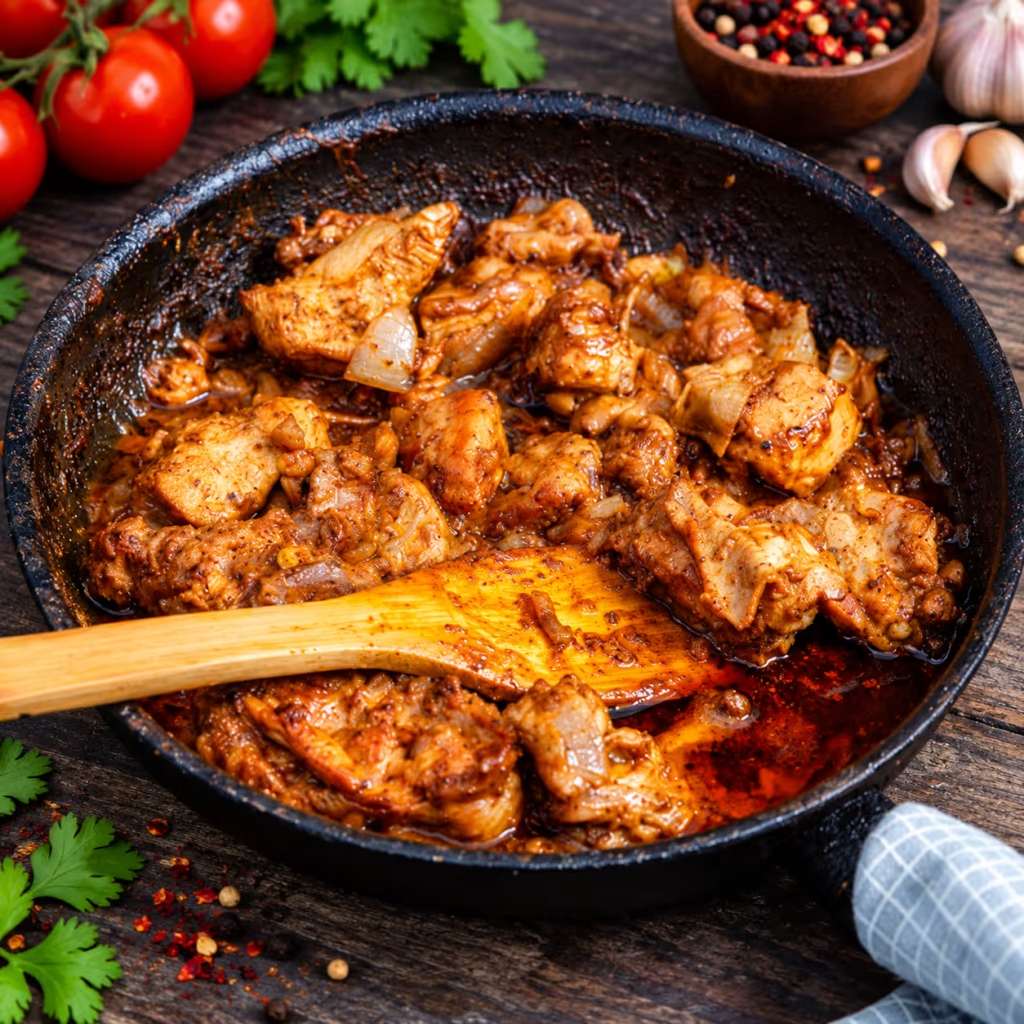
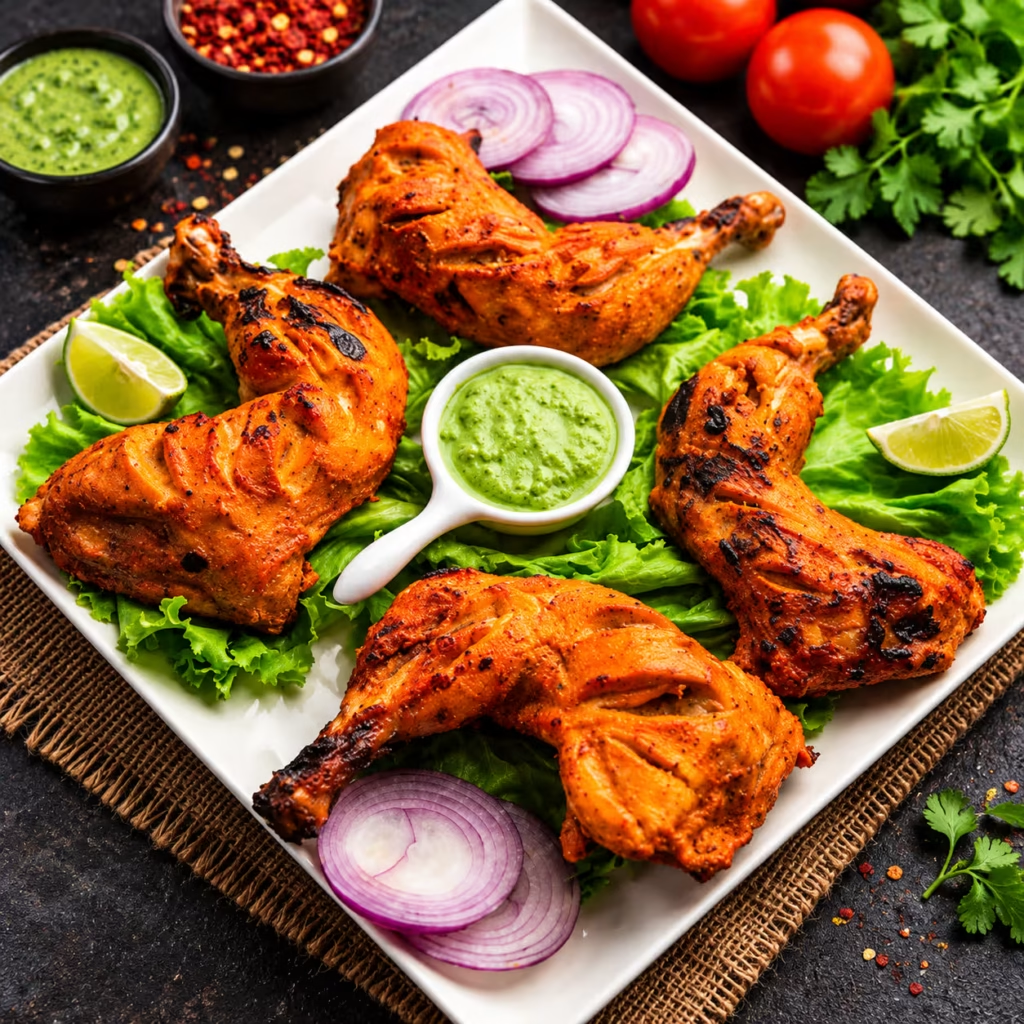
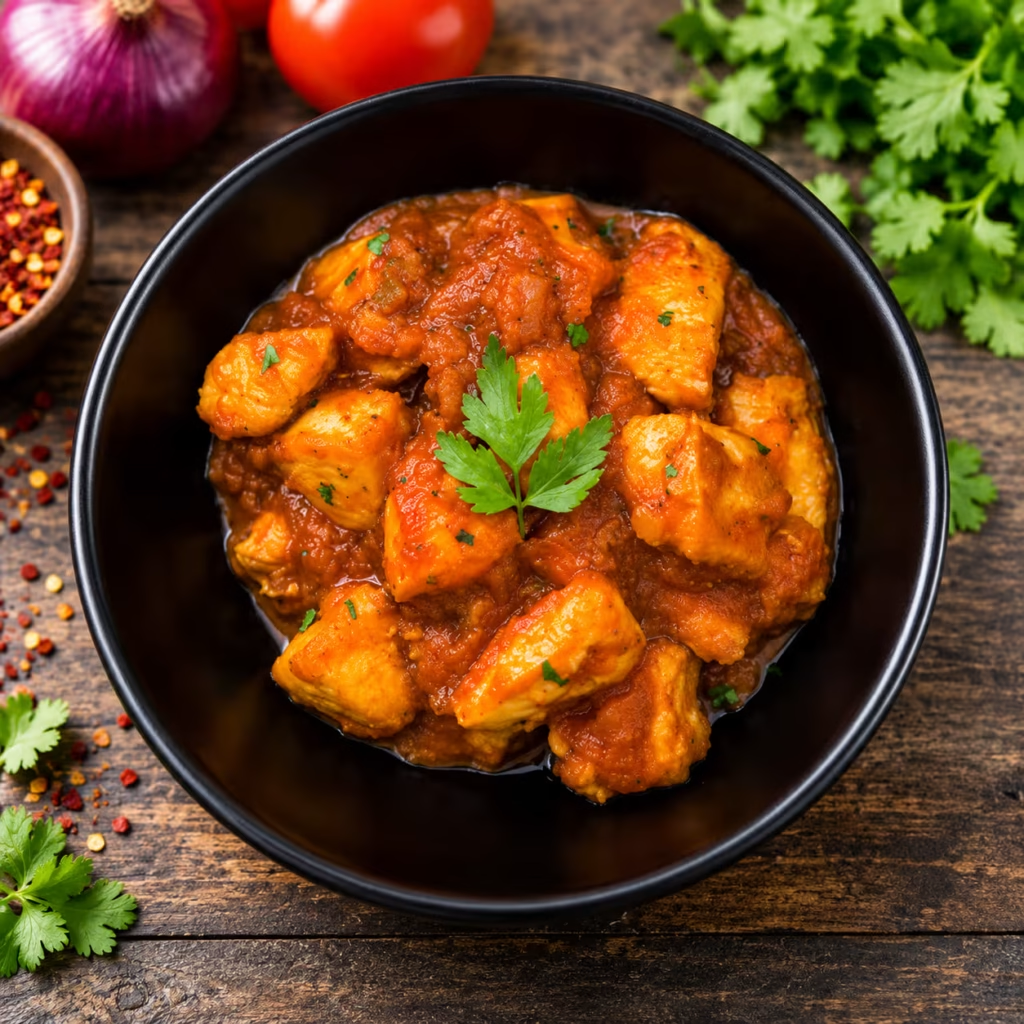
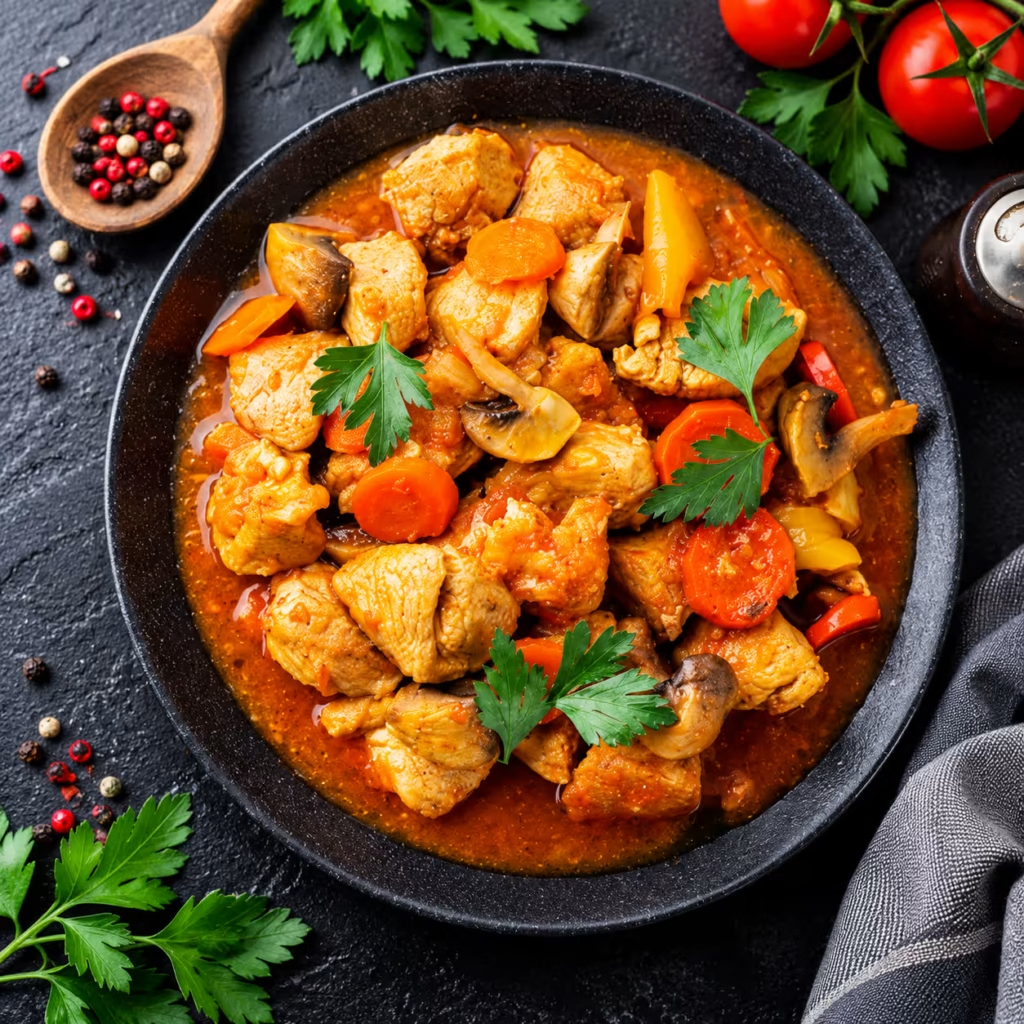
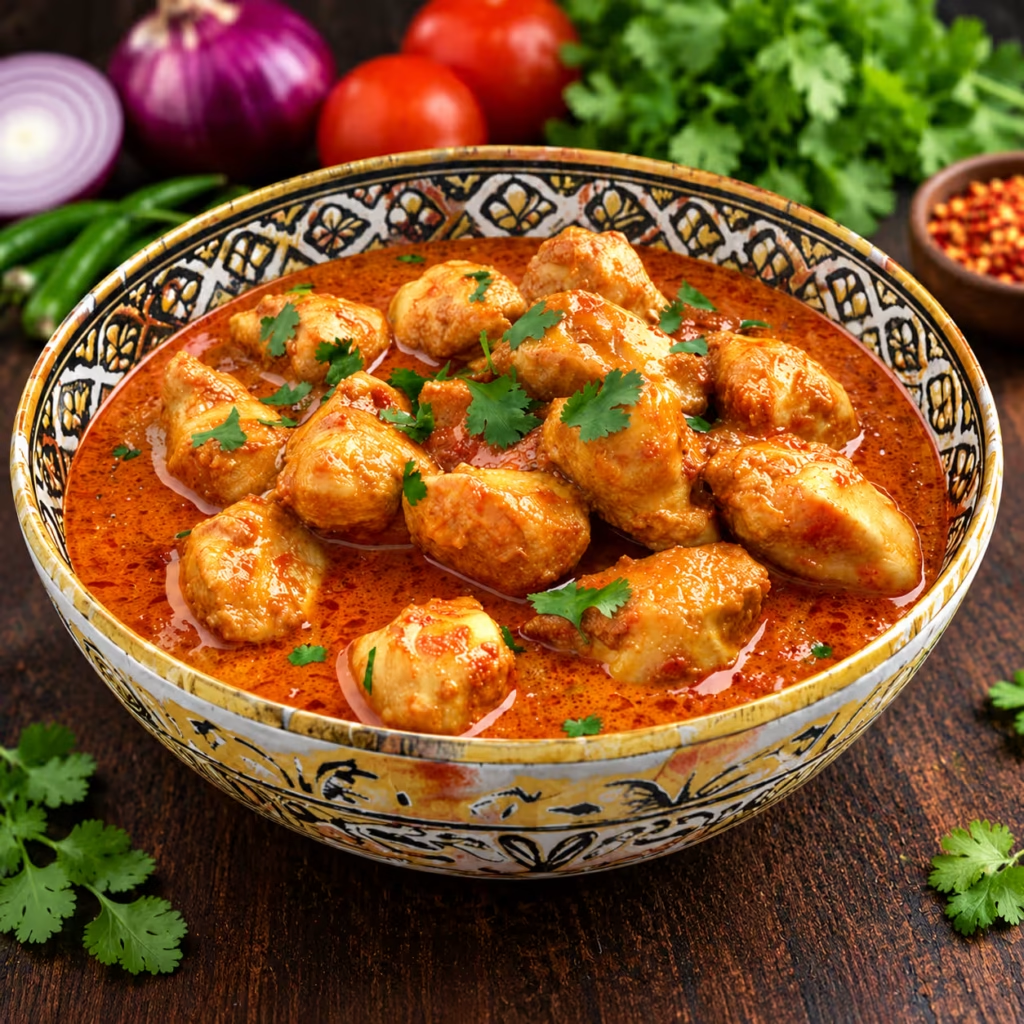
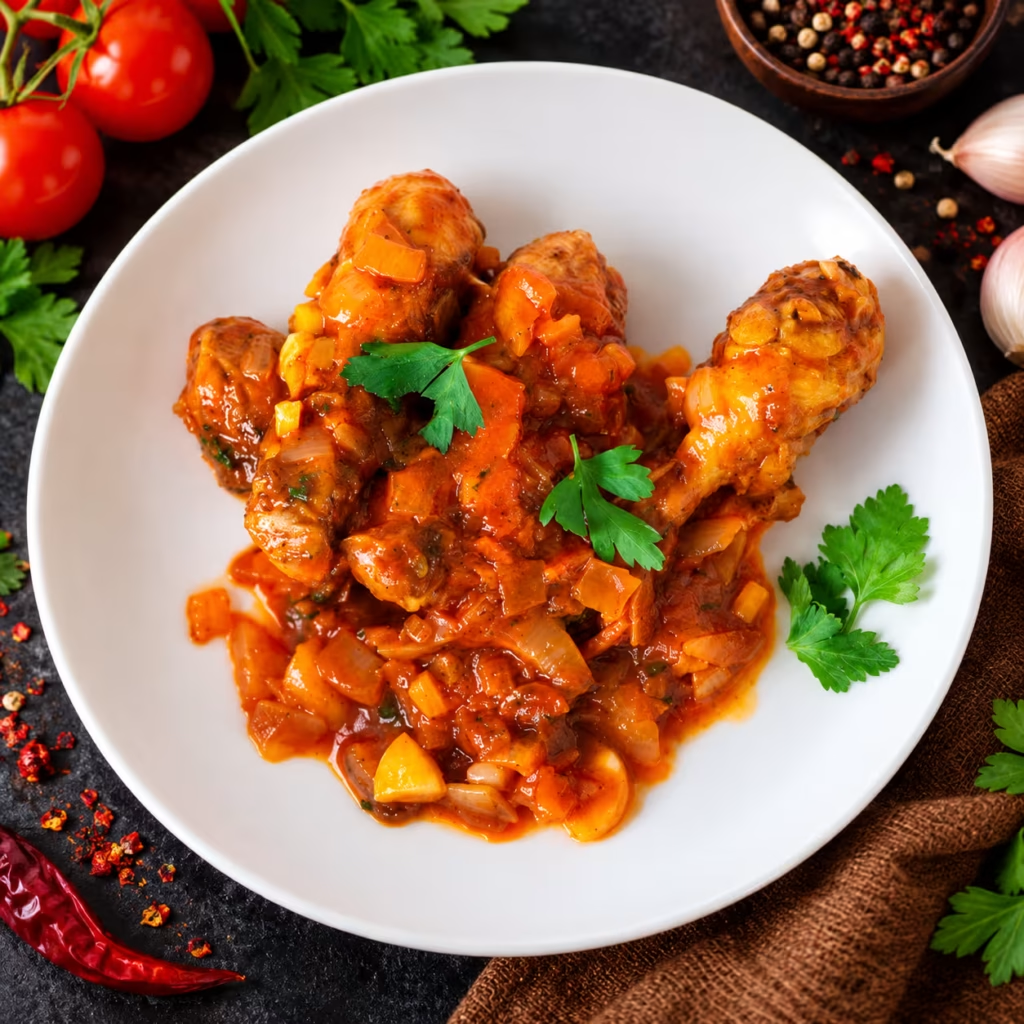
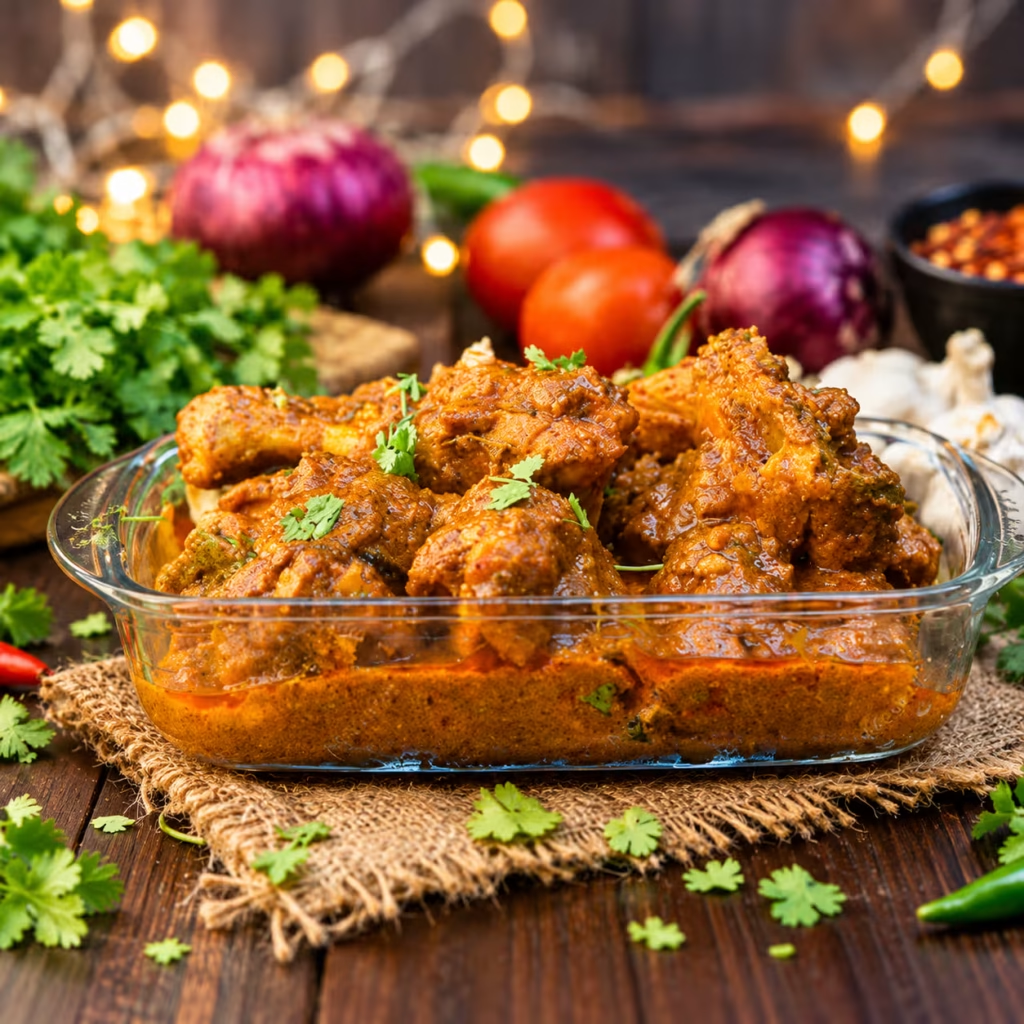
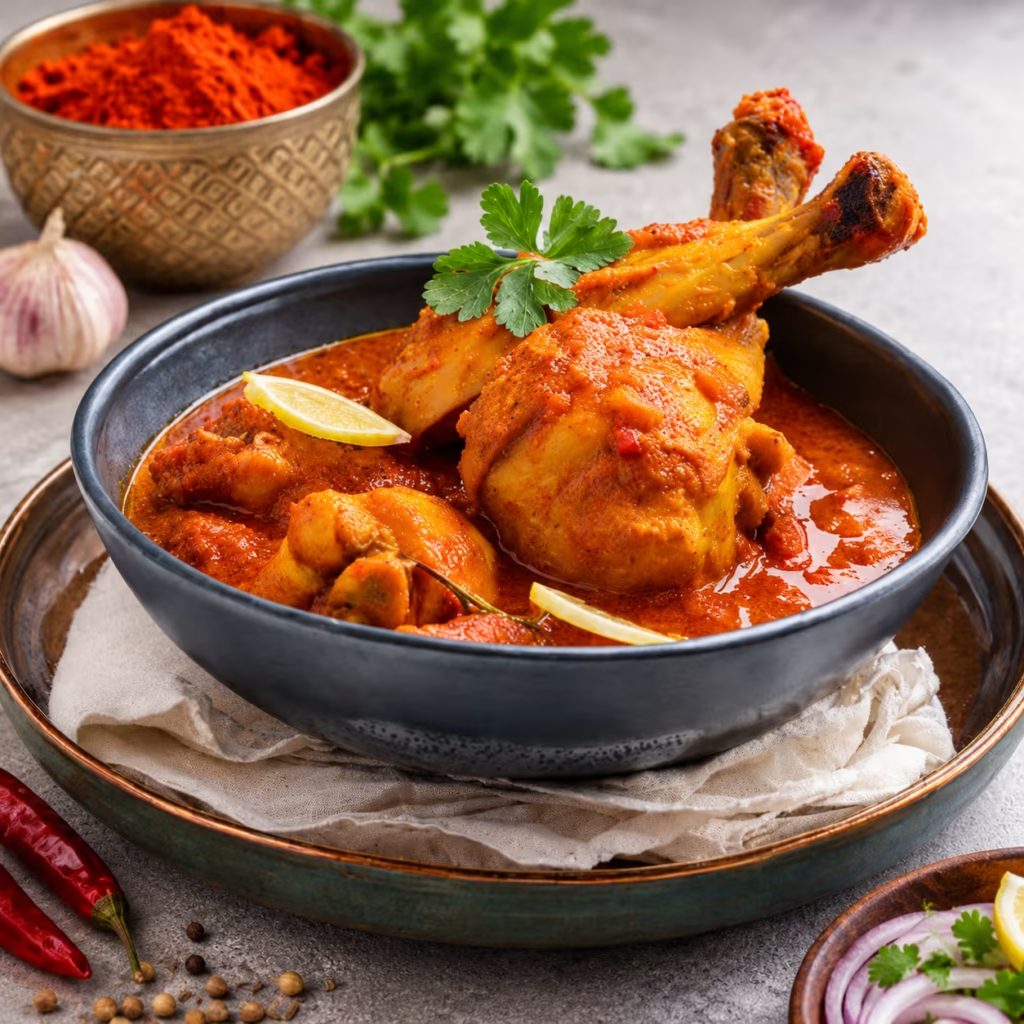
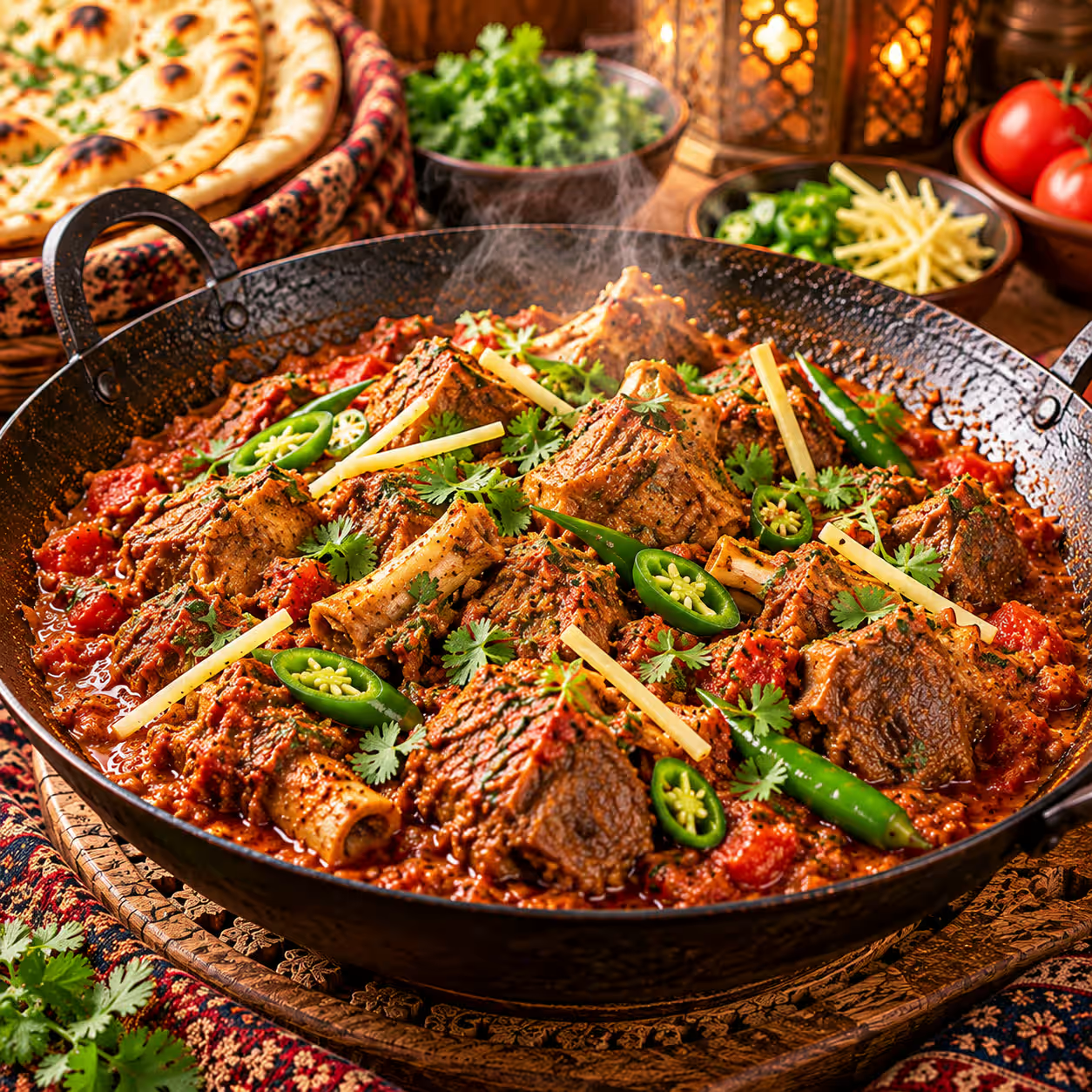
Punjabi mutton karahi is a rich and aromatic Pakistani meat dish made with tender mutton, fresh tomatoes, ginger, garlic, green chilies and spices. It is a hearty variation of karahi that combines the deep flavor of slow-cooked mutton with the bright acidity of tomatoes and the freshness of ginger and green chilies.
Within Punjabi cuisine, mutton dishes have a long-standing place in family meals, restaurant menus, celebrations and hospitality. Mutton karahi fits naturally into this tradition because it is substantial, flavorful and well suited to sharing with naan or roti.
Unlike a thin meat curry, Punjabi mutton karahi is generally characterized by a concentrated masala that coats the meat. The tomatoes are cooked down, excess moisture is reduced and the spices become integrated into the sauce.
There is no single universal recipe for Punjabi mutton karahi. Household and restaurant preparations can differ in the use of onions, yogurt, whole spices, chili, cooking fat and meat cuts. The cooking vessel and cooking time can also change the final result.
This guide explores Punjabi mutton karahi in depth, including its place in Punjabi food culture, ingredients, meat selection, cooking principles, regional variations, serving traditions, differences from other mutton dishes, common mistakes and practical tips.
What Is Punjabi Mutton Karahi?
Punjabi mutton karahi is a mutton dish cooked in a karahi-style vessel with tomatoes, ginger, garlic, green chilies and aromatic spices.
The word karahi refers to the traditional rounded cooking vessel used for this style of cooking.
A typical Punjabi mutton karahi may include:
- Mutton
- Fresh tomatoes
- Ginger
- Garlic
- Green chilies
- Cooking oil or ghee
- Cumin
- Coriander
- Red chili
- Black pepper
- Garam masala
- Fresh coriander
The exact combination varies between cooks.
The finished dish generally has a thick, concentrated masala rather than a large quantity of watery gravy.
Why Is Mutton Important in Punjabi Cuisine?
Mutton has an important role in many South Asian meat traditions.
In Punjabi cooking, mutton is commonly associated with:
- Family gatherings
- Weekend meals
- Celebrations
- Restaurant dining
- Hospitality
- Festive occasions
Mutton’s rich flavor makes it suitable for dishes that are designed to be substantial.
It also works well with slow cooking, which allows tougher cuts to become tender while contributing flavor to the cooking liquid and masala.
Punjabi Mutton Karahi and Punjabi Food Culture
Punjabi food culture is strongly connected with generous meals and hospitality.
A mutton karahi can become the centerpiece of a shared meal.
It can be served directly at the table with:
- Naan
- Roti
- Tandoori roti
- Fresh salad
- Raita
- Pickles
- Chutney
The combination of meat, bread and fresh accompaniments creates a complete communal meal.
For readers exploring the broader Punjabi Food Culture topic, mutton karahi demonstrates how a traditional dish can connect cooking technique with family and social dining.
What Does Punjabi Mutton Karahi Taste Like?
Punjabi mutton karahi is typically rich, savory, tangy and aromatic.
The flavor develops from several ingredients working together:
- Mutton
- Tomatoes
- Ginger
- Garlic
- Green chilies
- Aromatic spices
- Cooking fat
- Fresh coriander
The mutton contributes depth.
Tomatoes add acidity and natural sweetness.
Ginger and garlic create aromatic warmth.
Green chilies add freshness and heat.
The final flavor depends heavily on how well the tomato masala is reduced.
What Makes Mutton Karahi Different From Mutton Curry?
Mutton curry generally contains a more substantial amount of liquid gravy.
Mutton karahi tends to have a more concentrated coating of masala.
| Feature | Punjabi Mutton Karahi | Typical Mutton Curry |
|---|---|---|
| Gravy | Thick and concentrated | Often more liquid |
| Tomatoes | Prominent in many versions | Varies |
| Cooking vessel | Karahi or wok-style vessel | Pot or saucepan |
| Cooking style | High-heat reduction plus tenderizing | Often simmered in gravy |
| Ginger | Frequently prominent | Varies |
| Green chilies | Common | Varies |
| Serving style | Often with naan or roti | Bread or rice |
These are broad distinctions rather than rigid rules.
Choosing Mutton for Karahi
The meat cut has a significant effect on the final dish.
Mutton contains both relatively tender and tougher cuts.
For long cooking, cuts with some connective tissue can be particularly useful because slow cooking allows them to become tender.
Commonly used pieces may include:
- Shoulder
- Leg
- Rib pieces
- Other suitable bone-in cuts
Bone-in mutton can contribute additional flavor to the dish.
Bone-In vs Boneless Mutton
Bone-In Mutton
Bone-in pieces can provide:
- Rich flavor
- Better texture
- Deeper cooking juices
- Traditional character
They also generally require longer cooking.
Boneless Mutton
Boneless mutton can be more convenient to eat.
However, the cooking time and moisture management need careful attention to avoid dry meat.
For a traditional-style karahi, bone-in mutton is often particularly suitable.
Why Mutton Requires More Time Than Chicken
Mutton generally contains more connective tissue than chicken and can require substantially longer cooking.
The goal is to transform tough connective tissue into a tender texture.
This is why mutton karahi should not simply be prepared using exactly the same cooking time as chicken karahi.
Depending on the cut, age of the meat and cooking method, the time required can vary significantly.
The Role of Tomatoes in Mutton Karahi
Fresh tomatoes provide several important functions.
They contribute:
- Acidity
- Moisture
- Natural sweetness
- Color
- Body
- Fresh flavor
However, tomatoes also contain water.
If they are not reduced properly, the dish can become watery.
The tomato mixture therefore needs enough cooking time to become thick and concentrated.
Why Tomato Reduction Is Important
A successful mutton karahi depends on concentrating the tomato masala.
The process can be viewed as:
Fresh tomatoes → softened tomatoes → broken-down tomatoes → reduced masala → meat coated in masala
The finished sauce should cling to the meat.
This is one of the most important differences between karahi and a thin mutton curry.
Ginger and Garlic in Punjabi Mutton Karahi
Fresh ginger and garlic provide the aromatic foundation of the dish.
Garlic contributes savory depth.
Ginger contributes brightness and gentle heat.
Both can be used during cooking, while fresh ginger may also be added at the end.
Thin ginger strips provide a particularly useful contrast to the rich mutton and tomato masala.
The Role of Green Chilies
Green chilies add both heat and freshness.
Their flavor is different from dried red chili.
A cook can adjust the amount depending on preference.
For a mild version, fewer chilies can be used.
For a hotter restaurant-style preparation, additional fresh chilies can be added toward the end.
Traditional Punjabi Mutton Karahi Ingredients
There is no universal ingredient formula, but common ingredients include:
Mutton
The main protein and source of the dish’s rich savory character.
Fresh Tomatoes
Provide the base of the masala.
Ginger
Adds aromatic freshness and warmth.
Garlic
Provides savory depth.
Green Chilies
Add freshness and heat.
Oil or Ghee
Used to cook the meat and aromatics and carry the spice flavors.
Cumin
Adds earthy aroma.
Coriander
Ground coriander can contribute warmth, while fresh coriander provides brightness.
Red Chili
Provides heat and color.
Black Pepper
Adds a sharper aromatic heat.
Garam Masala
Can provide finishing warmth.
Whole Spices in Punjabi Mutton Karahi
Different recipes use different combinations of whole spices.
Possible examples include:
- Cumin
- Cinnamon
- Cardamom
- Cloves
- Bay leaf
- Black pepper
However, a tomato-forward karahi does not necessarily require a large quantity of whole spices.
The goal is to complement the mutton and fresh ingredients rather than cover them.
The Karahi Cooking Vessel
A traditional karahi is a rounded, deep cooking vessel with a wide opening.
This shape provides a large surface for:
- High-heat cooking
- Evaporation
- Stirring
- Browning
- Sauce reduction
Modern cooks can use a heavy wok or deep skillet if a traditional karahi is unavailable.
The cooking vessel affects evaporation, so the amount of liquid required may differ between a wide karahi and a narrower pot.
Why High Heat Is Used
Karahi cooking is often associated with relatively high heat.
High heat can help:
- Brown the meat
- Cook aromatics quickly
- Reduce tomato moisture
- Concentrate flavor
- Create a roasted character
However, high heat must be managed carefully.
Mutton requires enough time to become tender, so a cook may need to combine high-heat stages with slower cooking.
The Traditional Cooking Logic
Punjabi mutton karahi can be understood as two related cooking phases.
Flavor Development
The meat and aromatics are cooked at relatively strong heat to develop flavor.
Tenderizing
The mutton is then cooked with controlled moisture until it becomes tender.
Final Reduction
Once the meat is tender, excess liquid is reduced again so that the tomato masala becomes concentrated.
This combination of tender meat + reduced masala is central to a good mutton karahi.
How Mutton Karahi Differs From Chicken Karahi
Both dishes use the same general karahi concept, but the meat changes the cooking process.
Chicken:
- Cooks relatively quickly
- Can become dry if overcooked
- Requires less tenderizing
Mutton:
- Usually requires longer cooking
- Benefits from connective tissue
- Develops deeper flavor during slow cooking
- Requires careful tenderness management
The tomato, ginger, garlic and chili foundation can remain similar, but the timing must be adapted to the meat.
Punjabi Mutton Karahi vs Peshawari Mutton Karahi
Different regions have their own karahi traditions.
Peshawari preparations may emphasize a relatively direct combination of meat, tomatoes, ginger, garlic and chilies.
Punjabi versions can vary more widely in their use of spices, onions and other ingredients.
Neither should be treated as one rigid formula.
Regional food traditions often contain substantial variation between restaurants and households.
Punjabi Mutton Karahi vs Lahori Mutton Karahi
Lahore has a well-known restaurant culture and many styles of karahi can be found there.
A Lahori-style preparation may emphasize:
- Tomatoes
- Ginger
- Green chilies
- Rich masala
- Fresh garnishes
But restaurants and households do not necessarily follow one standardized recipe.
The label is better understood as a regional culinary style than as a fixed formula.
Can Punjabi Mutton Karahi Contain Onions?
Yes.
Some recipes use onion as part of the masala, while other karahi preparations emphasize tomatoes, ginger, garlic and chilies instead.
The choice affects:
- Sweetness
- Texture
- Body
- Overall flavor
A tomato-forward karahi does not necessarily require a large amount of onion.
Can Yogurt Be Used?
Some versions use yogurt to add:
- Tanginess
- Creaminess
- Moisture
However, yogurt is not essential to every Punjabi mutton karahi.
A tomato-based version without yogurt has a fresher and more direct tomato flavor.
How Traditional Punjabi Mutton Karahi Is Prepared
The exact method varies, but the underlying process generally follows these stages.
Prepare the Ingredients
Before heating the karahi, prepare:
- Mutton
- Tomatoes
- Ginger
- Garlic
- Green chilies
- Fresh coriander
- Spices
Because karahi cooking can move quickly, preparation in advance is useful.
Heat the Cooking Fat
Oil or ghee is heated in the cooking vessel.
Develop the Aromatics
Whole spices, ginger and garlic may be introduced depending on the recipe.
Cook the Mutton
The meat is cooked until it develops color and begins absorbing the aromatic flavors.
Add Tomatoes
Fresh tomatoes are added and allowed to break down.
Tenderize the Mutton
The meat continues cooking until tender.
Depending on the cut, this may involve controlled simmering or pressure cooking.
Reduce the Masala
Once the meat is tender, excess liquid is reduced.
Finish With Fresh Ingredients
Green chilies, coriander and ginger can be added toward the end.
Why Mutton Should Not Be Forced to Cook Too Quickly
Mutton can become tough when cooked improperly.
If the meat has significant connective tissue, it needs sufficient time for that tissue to soften.
Trying to cook it entirely at very high heat without enough moisture or time can result in:
- Tough meat
- Dry meat
- Burnt masala
A better approach is to use high heat for flavor development and controlled cooking for tenderness.
Can a Pressure Cooker Be Used?
Yes.
A pressure cooker can substantially reduce the time required to tenderize mutton.
It is particularly useful for home cooks who do not have time for extended stovetop cooking.
However, pressure cooking should not be considered the entire karahi process.
After the meat becomes tender, the dish often benefits from additional uncovered cooking so that excess liquid evaporates and the masala becomes concentrated.
Can Mutton Karahi Be Made in a Slow Cooker?
It can, although a slow cooker does not reproduce the exact high-heat characteristics of traditional karahi cooking.
A practical approach can involve:
- Browning the meat and aromatics separately.
- Slow-cooking the mutton until tender.
- Transferring or finishing the dish in a wide pan.
- Reducing the tomato masala.
- Adding fresh garnishes.
This can produce tender meat while still allowing the final sauce to become concentrated.
Common Mistakes When Making Punjabi Mutton Karahi
Using the Wrong Meat Cut
Extremely lean or unsuitable cuts may not respond well to prolonged cooking.
Better approach: select a cut appropriate for slow cooking.
Rushing the Mutton
Tenderness takes time.
Better approach: cook according to the meat rather than following a rigid clock.
Adding Too Much Water
Excess water can dilute the tomato masala.
Better approach: add only the liquid required for tenderizing.
Not Reducing the Final Sauce
Tender meat with watery gravy will not have the concentrated character expected from karahi.
Better approach: finish with uncovered reduction.
Burning the Spices
Strong heat can burn spices quickly.
Better approach: control the heat during the aromatic stage.
Overcooking the Tomatoes
Excessive cooking can darken or burn the masala.
Better approach: reduce carefully and stir regularly.
Adding Garnishes Too Early
Fresh ginger and coriander lose some of their brightness when cooked for too long.
Better approach: finish with fresh garnishes.
How to Tell When Mutton Is Properly Tender
Mutton should be tender enough to bite comfortably and, depending on the cut, may separate easily from the bone.
Signs of adequate cooking include:
- Meat is no longer chewy
- Fibers have softened
- Connective tissue has broken down
- Meat separates easily when pressed
Cooking time can vary significantly, so tenderness is a better indicator than relying only on a fixed number of minutes.
How to Prevent Watery Mutton Karahi
The main solution is controlled reduction.
After the mutton has become tender:
- Remove the lid if necessary.
- Increase heat moderately.
- Allow excess moisture to evaporate.
- Stir carefully.
- Continue until the tomato masala coats the meat.
The final dish should have a concentrated consistency.
How to Prevent Dry Mutton
Dry meat can result from:
- Excessive high heat
- Insufficient cooking liquid
- Very lean meat
- Overcooking
- Inappropriate cooking method
The solution is to balance tenderizing moisture with final sauce reduction.
Do not reduce the sauce aggressively before the meat has become tender.
How to Make Punjabi Mutton Karahi Less Spicy
The dish can be made milder by:
- Reducing red chili
- Using fewer green chilies
- Removing chili seeds
- Increasing tomato proportion slightly
- Serving chilies separately
The ginger, garlic and aromatic spices can remain so the dish retains its character.
How to Make Mutton Karahi More Aromatic
For a more aromatic preparation, focus on:
- Fresh ginger
- Fresh garlic
- Cumin
- Fresh coriander
- Green chilies
- Quality tomatoes
- Freshly ground spices where appropriate
Aromatic freshness is generally more useful than simply increasing the amount of powdered chili.
What Is Punjabi Mutton Karahi Served With?
Mutton karahi is particularly well suited to Pakistani breads.
Naan
Soft naan is ideal for scooping up the thick masala.
Tandoori Roti
Tandoori roti provides a firmer texture and smoky flavor.
Roti
Roti provides a simpler everyday pairing.
Salad
Fresh cucumber, tomato and onion can balance the richness.
Raita
Yogurt provides cooling contrast.
Pickles
Pickles add acidity and heat.
Mutton Karahi and Punjabi Hospitality
Mutton is often associated with meals prepared for guests and special occasions.
A large karahi can become a centerpiece of a shared meal.
This reflects an important element of Punjabi hospitality: generous food served to family and visitors.
The dish is particularly suitable because it can be served with bread and shared directly from the cooking vessel.
Punjabi Mutton Karahi for Family Gatherings
A family gathering may include several dishes, with mutton karahi acting as one of the main meat dishes.
It can be paired with:
- Naan
- Roti
- Salad
- Raita
- Chutney
- Rice
- Other vegetable dishes
The combination allows diners to create different bites and balance rich meat with fresh accompaniments.
Punjabi Mutton Karahi in Restaurants
Restaurant versions often aim for:
- Tender meat
- Strong tomato flavor
- Visible ginger
- Fresh green chilies
- Concentrated masala
- Generous garnishes
- Hot serving temperature
Restaurant cooks may prepare the meat using a combination of pre-cooking and final karahi reduction to manage service time.
The exact method differs from restaurant to restaurant.
Punjabi Home Cooking vs Restaurant Mutton Karahi
Home cooks may prioritize:
- Less oil
- Family spice preferences
- Available meat cuts
- Pressure cooking
- Smaller portions
Restaurants may prioritize:
- Consistent flavor
- Faster service
- Stronger seasoning
- Higher fat content
- Attractive presentation
Both can produce good food.
The difference is primarily in purpose and cooking environment.
Is Punjabi Mutton Karahi Healthy?
Mutton provides protein and various nutrients, but it can also contain considerable fat depending on the cut.
The overall nutritional profile depends on:
- Meat cut
- Amount of oil or ghee
- Portion size
- Cooking method
- Accompaniments
Restaurant karahi can be particularly rich.
A home version can be made lighter by selecting a suitable cut and controlling added fat.
How to Make Mutton Karahi Lighter
Consider:
- Trimming excessive visible fat
- Using a moderate amount of oil
- Serving with salad
- Choosing a reasonable bread portion
- Avoiding excessive fried side dishes
- Increasing fresh herbs and vegetables alongside the meal
These changes can reduce overall richness without changing the core identity of the dish.
Can Mutton Karahi Be Prepared Ahead?
Yes.
Mutton karahi can be prepared ahead, and the flavor may become more integrated after resting.
Store it safely in the refrigerator and reheat thoroughly.
Before serving, add fresh:
- Ginger
- Coriander
- Green chilies
- Lemon if desired
Fresh garnishes can restore brightness after reheating.
Can Punjabi Mutton Karahi Be Frozen?
Yes.
Cool the cooked dish appropriately and store it in airtight freezer-safe portions.
When reheating:
- Thaw safely
- Heat thoroughly
- Add a small amount of water if the sauce has become too thick
- Adjust seasoning
- Add fresh garnishes
The texture of the meat and sauce may change slightly after freezing.
Punjabi Mutton Karahi Compared With Other Mutton Dishes
Punjabi cuisine contains many different mutton preparations.
Mutton Karahi
Thick tomato-based masala with ginger, garlic and chilies.
Mutton Curry
Usually more liquid and gravy-based.
Mutton Pulao
Mutton cooked with rice and flavorful stock.
Mutton Biryani
Mutton combined with layered, heavily seasoned rice.
Mutton Korma
Generally richer and more gravy-based, often with yogurt, nuts or aromatic spices depending on the style.
Mutton Nihari
Slow-cooked meat stew with a distinctive thick gravy and spice profile.
These dishes demonstrate the diversity of mutton cooking in Pakistani cuisine.
Punjabi Mutton Karahi and Pakistani Spices
The spice profile of mutton karahi does not need to be excessively complicated.
A combination of:
- Cumin
- Coriander
- Red chili
- Black pepper
- Garam masala
can provide depth.
Fresh ingredients remain equally important.
For readers interested in understanding the spices behind Pakistani dishes, the Pakistani Spices section can be used as an internal resource from this article.
Why Fresh Ginger Is So Important
Mutton has a rich flavor.
Fresh ginger provides a sharp, aromatic contrast.
This is one reason thin ginger strips are commonly used as a finishing garnish.
They provide:
- Freshness
- Aroma
- Gentle heat
- Texture
The contrast is particularly useful in a rich meat dish.
Why Lemon Works With Mutton Karahi
Mutton can be rich, particularly when cooked with oil or ghee.
Lemon provides acidity that can make the dish taste brighter.
It should generally be added according to personal preference rather than used in excessive amounts.
Frequently Asked Questions About Punjabi Mutton Karahi
What is Punjabi mutton karahi?
Punjabi mutton karahi is a Pakistani meat dish made with mutton, tomatoes, ginger, garlic, green chilies and aromatic spices. It is generally cooked in a karahi-style vessel and finished with a thick, concentrated masala.
Is Punjabi mutton karahi a Pakistani dish?
Yes. Mutton karahi is an established dish within Pakistani cuisine, with Punjabi households and restaurants preparing their own variations.
What type of mutton is best for karahi?
Bone-in cuts such as shoulder or other suitable slow-cooking pieces can work well because they provide flavor and become tender with appropriate cooking.
Does mutton karahi need tomatoes?
Many Punjabi-style preparations use fresh tomatoes as a major part of the masala, although variations exist.
Does mutton karahi contain onions?
Some versions contain onions, while others focus primarily on tomatoes, ginger, garlic and green chilies.
Can yogurt be added to mutton karahi?
Yes, some variations use yogurt, but it is not required for every preparation.
Why is my mutton still tough?
Mutton may need additional cooking time, particularly when using tougher cuts. The meat should be cooked until its connective tissue has softened.
Why is my mutton karahi watery?
Excess liquid or insufficient tomato reduction are common causes. After the meat becomes tender, the sauce can be reduced uncovered until it reaches a thicker consistency.
What is mutton karahi served with?
Naan, tandoori roti and regular roti are common. Salad, raita, pickles and chutney can also be served alongside.
Is mutton karahi very spicy?
It can be spicy, but the heat level is adjustable. Red chili and green chilies can be reduced for a milder preparation.
Can mutton karahi be made in a pressure cooker?
Yes. Pressure cooking can reduce the time needed to tenderize the meat. The dish should usually be finished uncovered so the sauce can reduce.
Can mutton karahi be made with boneless meat?
Yes, although cooking time needs to be adjusted. Bone-in mutton often provides additional flavor.
Is Punjabi mutton karahi the same as Lahori mutton karahi?
The styles can overlap, but regional and restaurant versions vary. There is no single standardized formula for either label.
Can mutton karahi be frozen?
Yes. Properly cooled mutton karahi can be frozen in airtight portions and reheated thoroughly.
Practical Tips for Better Punjabi Mutton Karahi
Choose Suitable Mutton
A cut designed for slow cooking is often more forgiving.
Do Not Rush Tenderness
Cook the meat until genuinely tender rather than relying on a fixed cooking time.
Use Ripe Tomatoes
They provide better acidity, sweetness and body.
Reduce the Masala
A thick masala is one of the defining features of karahi.
Control the Oil
Enough fat is needed for cooking and flavor development, but home cooks can adjust the amount.
Use Fresh Ginger
It provides an important contrast to rich mutton.
Add Green Chilies Near the End
This helps preserve their fresh character.
Finish With Fresh Coriander
Fresh herbs brighten the finished dish.
Serve Hot
Karahi is particularly appealing when served immediately with warm naan or roti.
Punjabi Mutton Karahi in the Punjabi Cuisine Content Cluster
For Zaiqahaus, this page can serve as a Punjabi-specific informational article within the broader Pakistani Cuisine architecture.
The recommended content relationship is:
Pakistani Cuisine
↓
Punjabi Cuisine
↓
Punjabi Mutton Karahi
↓
Mutton Karahi Recipe
From this article, readers can naturally explore:
- Punjabi Cuisine
- Traditional Pakistani Dishes
- Karahi Recipes
- Beef & Mutton Recipes
- Mutton Karahi recipe
- Pakistani Spices
- Punjabi Food Culture
- Punjabi Home Cooking
The broad article should explain the identity, culture, ingredients, variations and cooking principles.
The dedicated Mutton Karahi recipe should provide the exact ingredient quantities, timings and step-by-step instructions.
Related Punjabi and Pakistani Dishes
Readers interested in Punjabi mutton karahi can continue exploring other traditional foods such as:
- Punjabi Chicken Karahi
- Mutton Pulao
- Beef Pulao
- Pakistani Nihari
- Pakistani Haleem
- Pakistani Biryani
- Chicken Karahi
- Traditional Pakistani Kebabs
- Punjabi Saag
- Chole
- Pakistani Lentil Dishes
This creates a broader food journey through Pakistani and Punjabi cuisine.
Final Thoughts
Punjabi mutton karahi is a rich and satisfying expression of Pakistani meat cooking.
Its identity comes from the combination of tender mutton, fresh tomatoes, ginger, garlic, green chilies and aromatic spices, but the cooking technique is equally important.
The meat needs enough time to become tender.
The tomatoes need to be reduced.
The final masala needs to be concentrated.
Fresh ginger, chilies and coriander provide contrast to the richness of the meat.
There is no single recipe that every Punjabi family or restaurant follows. Some versions use onions or yogurt, others emphasize tomatoes, and cooking methods can range from traditional stovetop preparation to modern pressure cooking.
That variation is part of the living nature of Punjabi home cooking.
Served with naan, roti, salad, raita or pickles, mutton karahi becomes more than a meat dish. It becomes part of a shared meal built around hospitality, family and the generous flavors associated with Punjabi food culture.